Essential Guide to Choosing the Right Electric Bike

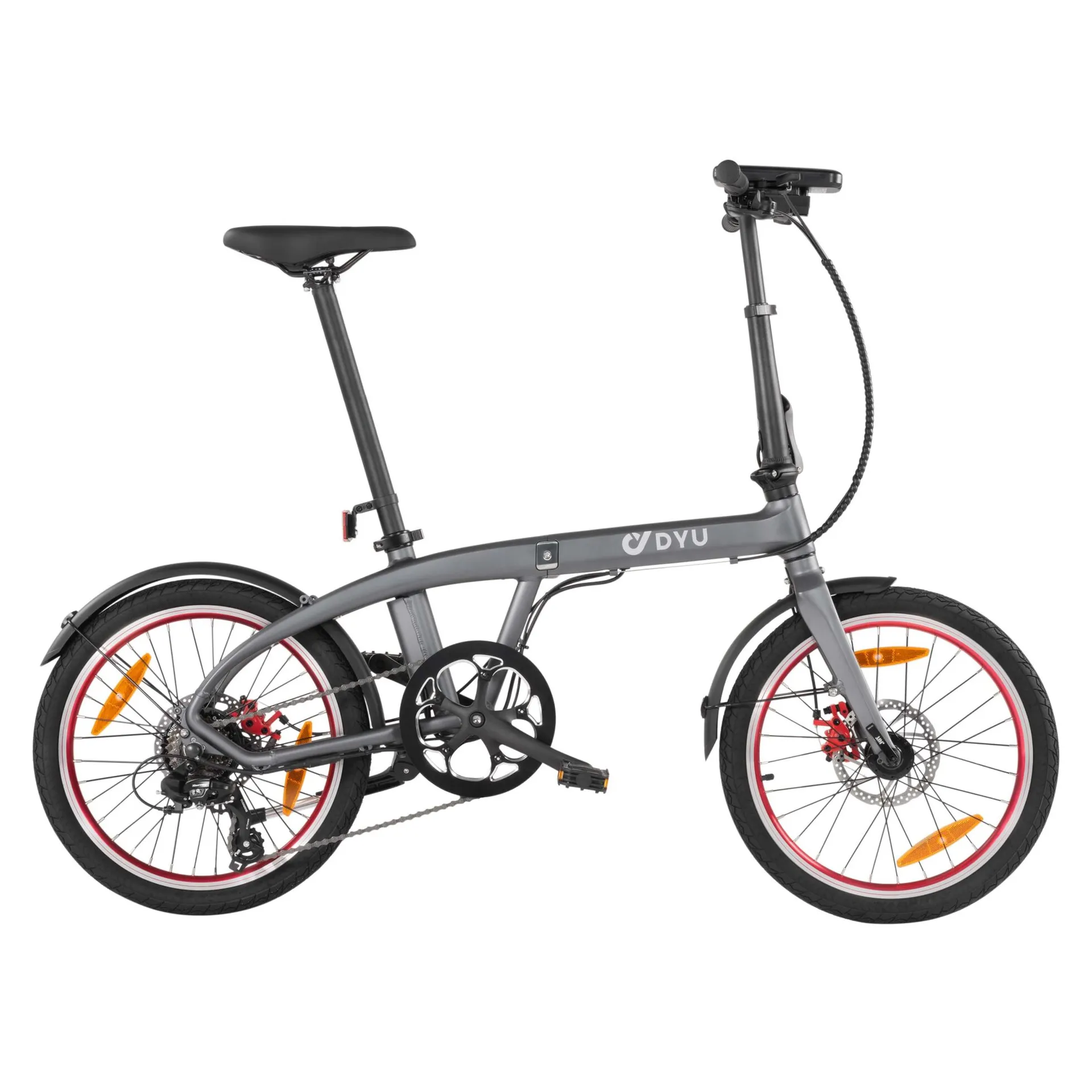
DYU SP1 suits everyday riding. range ~60 km, now EUR 1099 (was EUR 1499).
Key specs
| Model | Range | Battery | Bike weight | EU class |
|---|---|---|---|---|
| DYU SP1 | 60 km | — | — | — |
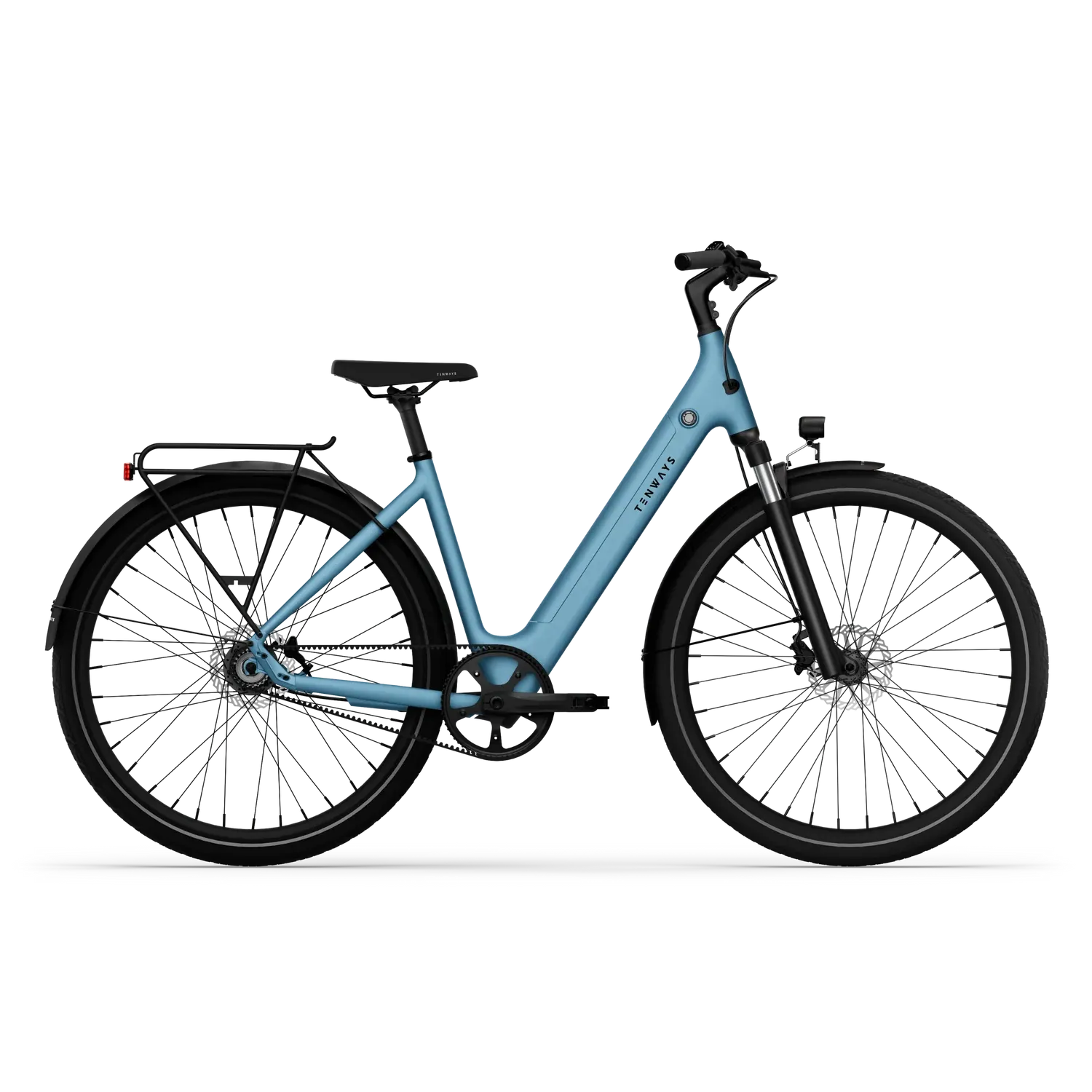
| Tenways CGO800S | 100 km | 461 Wh | 19.0 kg | EPAC 25 |
How we researched this
This article was researched using publicly available information, including e-bike classifications, technical features, and pricing trends. Data limitations include regional differences in regulations and fluctuating market prices.
Understanding Electric Bikes: A Growing Trend
Electric bikes, or e-bikes, are revolutionizing personal transportation, offering a greener and more accessible alternative to cars. With their ability to assist pedaling and handle diverse terrains, e-bikes are gaining popularity across Europe and beyond. Whether you're commuting, exploring trails, or simply enjoying a leisurely ride, understanding the nuances of e-bike technology is crucial for making the right purchase.
Key Considerations Before Buying an E-Bike
1. Local Regulations
E-bike rules vary significantly across regions. Some areas may require a license for higher-powered models or enforce helmet laws for public road use. Always check local regulations to ensure compliance.
2. Terrain and Climate
Consider the geography and weather conditions in your area. If you live in a hilly region, a model with robust hill-climbing capabilities is essential. Similarly, wet or cold climates may necessitate weather-resistant features.
3. Budget
E-bikes tend to be more expensive than traditional bicycles, with prices ranging from €600 to €4,000 or more. Testing models for comfort and fit is vital before committing to a purchase.
Understanding E-Bike Classes
Electric bikes are categorized into three main classes based on their propulsion systems:
- Class 1: Pedal-assist models that reach up to 20 mph. The motor activates only when the rider is pedaling.
- Class 2: Models equipped with both pedal-assist and throttle control, allowing speeds up to 20 mph without pedaling.
- Class 3: High-speed models capable of reaching 28 mph. These are often restricted from bike paths in certain areas.
Choosing the right class depends on your intended use and local restrictions.
Types of E-Bikes
Commuter Bikes
Designed for practicality, commuter e-bikes often feature sturdy frames, straight handlebars, and accessories like fenders and lights. They are ideal for urban travel and daily errands.
- Pros: Versatile, comfortable, and cost-effective compared to cars or scooters.
- Cons: Heavier construction may reduce portability.
Cruisers
Cruiser e-bikes prioritize comfort with upright seating positions, wider tires, and plush seats. They are perfect for leisurely rides around town.
- Pros: Relaxed design for a smooth, enjoyable ride.
- Cons: Less suitable for steep climbs or long-distance commutes.
Technical Features to Look For
1. Motor Placement
E-bike motors are typically located either at the hub of the rear wheel or in a mid-drive position near the pedals. Mid-drive motors offer better responsiveness and battery efficiency, especially on hilly terrain.
2. Gear Options
Models with multiple gears provide a smoother riding experience, particularly when the battery is depleted. Single-speed bikes may lack versatility for varied terrain.
3. Battery Life
Battery capacity directly impacts range. Evaluate how far you plan to ride and choose a model that aligns with your needs.
Testing and Pricing Trends
Recent tariff changes have affected e-bike prices, with many models experiencing price hikes. While high-quality e-bikes often cost upwards of €1,000, they offer superior performance and durability. Testing models for factors like range, acceleration, and hill-climbing ability is essential for finding the best fit.
Conclusion
Electric bikes offer a sustainable and enjoyable way to travel, whether for commuting or recreation. By understanding e-bike classes, types, and technical features, you can make an informed decision that aligns with your lifestyle and budget. Always test models to ensure the best fit and comfort before purchasing.
Editor shortlist
Bikes featured in this guide
Models we referenced above — compare live price, stock, and specs before you decide.
 Featured
DYU
SP1
DYU SP1 Folding E-Bike with Removable Power Bank
 Featured
Tenways
CGO800S
Tenways CGO800S: Comfortable city e-bike with belt drive
Tap a card to see current details, pricing, and availability.
Reviewed by Emily Carter
Prices and availability may change. Verify on the retailer site before buying. RideNovo may earn a commission via partner links at no extra cost to you.