10 Key Factors to Consider When Buying an Electric Bike

Discover the essential parameters to consider when choosing an electric bike, from motor power to battery capacity, frame design, and more. Make an informed decision with this comprehensive guide.
How we researched this
The article was based on a detailed analysis of the source content, focusing on general e-bike buying parameters without referencing specific brands or models. Local regulations and individual preferences were also considered.
Understanding the Basics of Electric Bikes
Electric bikes, or e-bikes, are transforming the way we commute, exercise, and explore. But with so many options on the market, choosing the right one can feel overwhelming. To help you navigate this decision, we've outlined 10 critical factors to consider when buying an electric bike. These insights will ensure you find a model that perfectly suits your needs, whether you're commuting, exploring off-road trails, or cycling for leisure.
1. Motor Power and Placement
The motor is the heart of an e-bike, directly influencing its performance. Motor power is measured in watts (W) and typically ranges between 250W and 750W.
What to Consider:
- Motor Power: A 250W motor is sufficient for flat city commutes, while a 500W or higher motor is better for hilly terrain or carrying heavy loads. Be aware of local regulations, as some regions limit motor power.
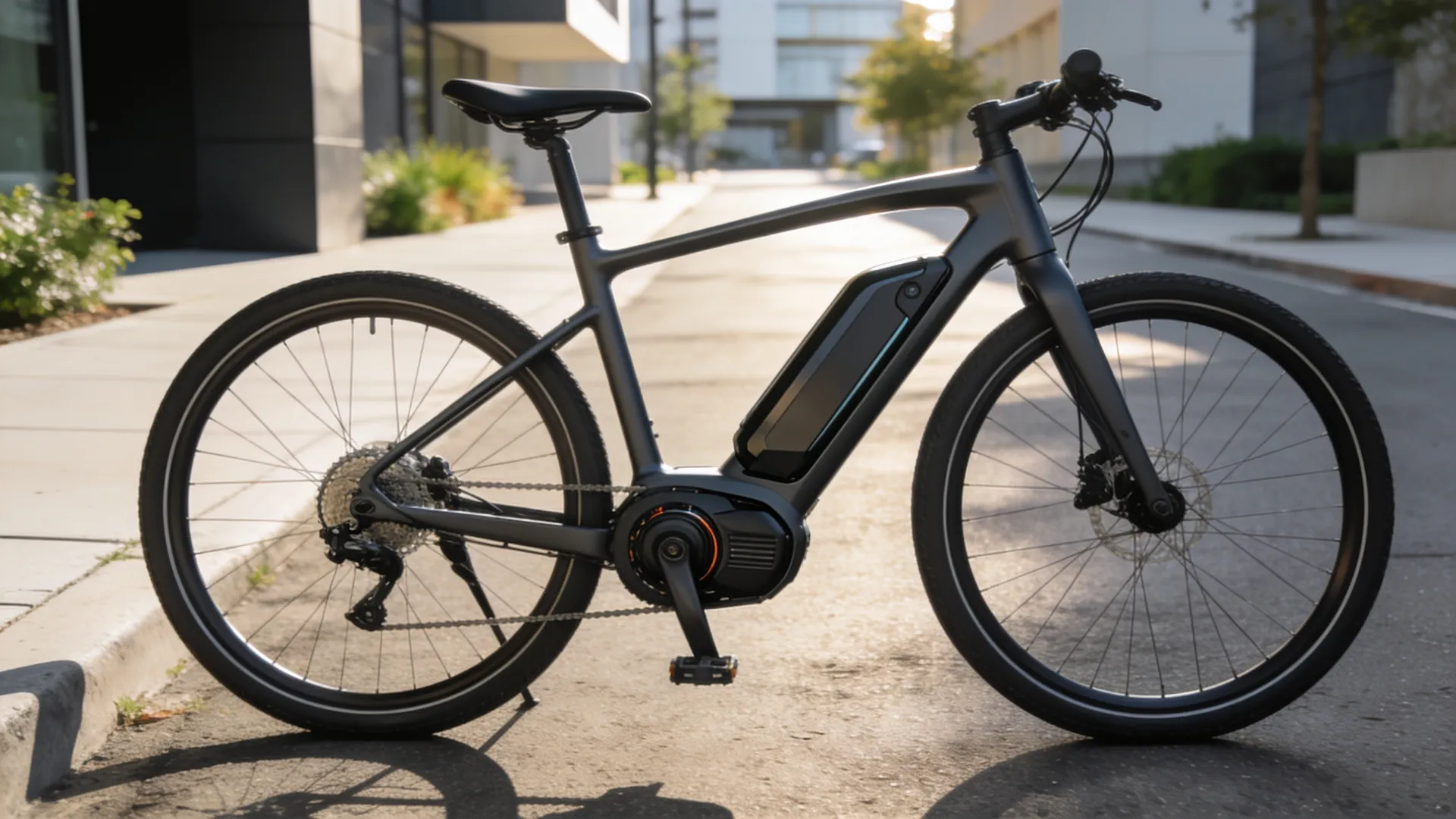
- Motor Placement: Mid-drive motors provide better balance and efficient power transfer, making them ideal for hilly areas. Hub motors, located on the front or rear wheel, are simpler and more affordable, with rear hub motors offering better traction.
2. Battery Capacity and Range
The battery determines how far your e-bike can travel on a single charge, making it a crucial consideration for long commutes or adventures.
What to Consider:
- Battery Capacity: Measured in watt-hours (Wh), typical e-bike batteries range from 300Wh to 700Wh. Higher capacity means longer range.
- Battery Type: Lithium-ion batteries are standard due to their efficiency and longevity. Opt for reputable brands for reliability.
- Removable vs. Integrated: Removable batteries are convenient for charging and security, while integrated batteries offer a sleeker design.
Keep in mind that range depends on factors like rider weight, terrain, and assistance level. A general rule is to divide the battery's Wh rating by 15-20 to estimate its range in miles.
3. Speed Classes
E-bikes are categorized into three classes based on speed and assistance mode:
- Class 1: Pedal-assist only, with a maximum speed of 20 mph.
- Class 2: Pedal-assist and throttle, also capped at 20 mph.
- Class 3: Pedal-assist only, with a maximum speed of 28 mph.
Check local regulations to ensure your chosen class is allowed on bike paths and roads in your area.
4. Frame Design and Size
The right frame design ensures comfort, efficiency, and safety during rides.
What to Consider:
- Step-Through vs. High-Step Frames: Step-through frames are easier to mount and dismount, making them ideal for urban riders or those with limited mobility.
- Size Compatibility: Choose a frame size that matches your height and riding style. Many manufacturers provide height recommendations for their models.
- Material: Aluminum frames are lightweight and durable, while carbon fiber frames are even lighter but more expensive.
Whenever possible, test ride the bike to ensure it fits your body and riding preferences.
5. Brake System
Given the higher speeds and weight of e-bikes, a reliable braking system is essential for safety.
What to Consider:
- Hydraulic Disc Brakes: Offer superior stopping power and require less hand effort, performing well in all weather conditions.
- Mechanical Disc Brakes: More affordable but may require frequent adjustments.
Opt for a model with high-quality brakes to ensure confidence and safety during your rides.
6. Suspension System
A good suspension system enhances comfort and control, especially on rough terrain.
What to Consider:
- Front Suspension: Absorbs shocks from uneven roads, ideal for urban commutes.
- Full Suspension: Provides maximum comfort on rugged trails but adds weight and cost.
- Adjustability: Look for systems that can be tuned to your weight and terrain.
7. Tire Type and Size
Tires significantly impact ride quality, traction, and the terrain your e-bike can handle.
What to Consider:
- Wide Tires: Offer better stability and grip on rough or loose surfaces, perfect for off-road adventures.
- Commuter Tires: Narrower and smoother, designed for efficiency on paved roads.
- Puncture Resistance: Reduces the risk of flats, a valuable feature for daily commuters.
8. Control System and Display
Modern e-bikes come equipped with displays and control systems to enhance usability.
What to Consider:
- Readability: Ensure the display is easy to read in various lighting conditions.
- Key Metrics: Look for displays that show speed, battery life, distance, and assistance levels.
- Smart Features: Advanced models may include smartphone integration, GPS, and anti-theft features.
9. Weight and Load Capacity
An e-bike's weight and its ability to carry additional loads are crucial considerations.
What to Consider:
- Maximum Load: Ensure the bike can safely support your weight and any cargo. Most models support 250-350 lbs.
- Bike Weight: A lighter bike is easier to transport and store but may compromise durability or battery capacity.
10. Additional Features and Accessories
Finally, consider the extra features that can enhance your riding experience.
What to Consider:
- Integrated Lights: Improve visibility and safety, especially for night rides.
- Fenders: Keep you clean and dry in wet conditions.
- Cargo Options: Racks and panniers are essential for carrying groceries, laptops, or other gear.
- Security Features: Integrated locks or compatibility with high-quality locks can protect your investment.
Conclusion
Choosing the right e-bike depends on your specific needs and preferences. Whether you're commuting, exploring trails, or enjoying leisurely rides, understanding these key factors will help you make an informed decision. Take your time, test ride different models, and prioritize features that align with your lifestyle.
Reviewed by Emily Carter
Prices and availability may change. Verify on the retailer site before buying. RideNovo may earn a commission via partner links at no extra cost to you.