Why E-Bikes Are Emerging as a Global Mobility Trend

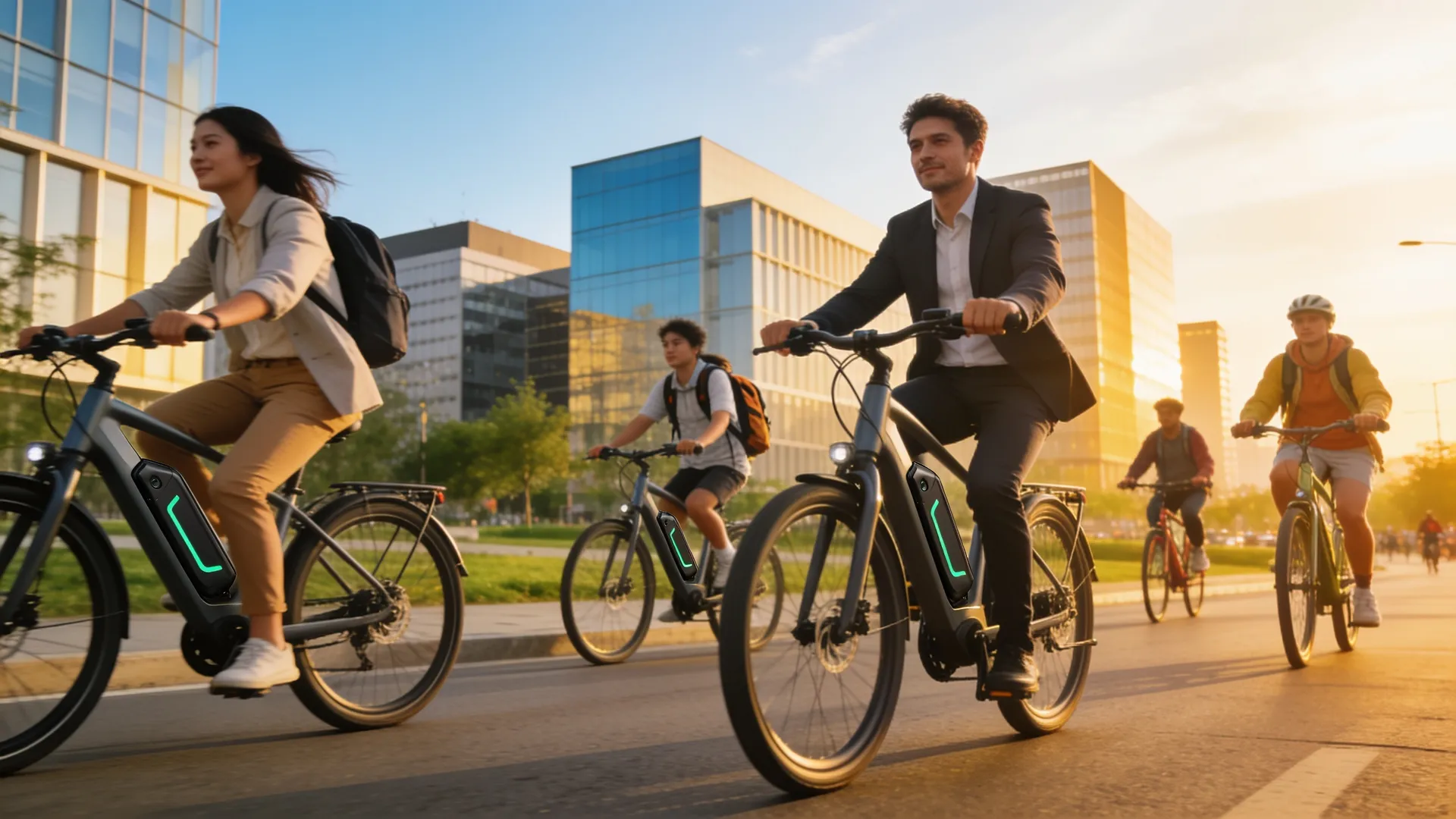
E-bikes are gaining global traction as a sustainable, efficient mobility solution for urban commuting and recreation—blending human effort with electric assistance. Their rise is driven by environmental awareness, infrastructure gaps, cost-of-public-transit pressures, and tech innovation—though affordability, battery safety, and marketing maturity remain key challenges.
How we researched this
This article synthesizes data from industry reports, market forecasts, and case studies to provide an overview of e-bike trends and challenges. Price ranges and adoption rates were approximated based on cited sources, and global market predictions were included where relevant.
What Makes E-Bikes Stand Out?
E-bikes, short for electric bicycles, are revolutionizing transportation by combining traditional cycling with electric assistance. Equipped with batteries, motors, and electronic controls, e-bikes offer a hybrid experience that blends human power with electric propulsion. This makes them lighter and more energy-efficient than traditional electric scooters while providing a faster and less strenuous alternative to regular bicycles.
A Growing Trend Among Urban Commuters
Initially popular among niche cycling enthusiasts, e-bikes are now becoming a preferred commuting tool for urban workers. Their convenience and cost-effectiveness make them an attractive option for daily travel, especially in cities with less developed public transportation systems. Shared e-bike programs are also gaining traction, with cities like Guangdong and Shantou reporting significant increases in usage during holidays.
For example, data from Shantou shows that shared e-bike users average 2.8 kilometers per ride and 14 minutes of usage time, highlighting their practicality for short-distance urban travel.
Global Adoption and Market Growth
E-bikes have gained widespread popularity in Europe and North America, where environmental concerns and outdoor lifestyles align well with their benefits. In the U.S., e-bike sales have surpassed electric and hybrid car sales since 2021. Similarly, Europe is witnessing e-bike sales outpacing traditional automobiles.
Market forecasts by Allied Market Research predict that the global e-bike market will reach $118.6 billion by 2030, with a compound annual growth rate exceeding 10%. This growth is fueled by increasing demand for sustainable transportation options and the rising cost of public transit in many regions.
Technological Innovations and High-End Models
Brands like Yamaha, Urtopia, Velotric, and TENWAYS are pushing the boundaries of e-bike technology. Yamaha launched its first electric-powered bicycle as early as 1993, while newer brands are focusing on high-performance models for specific niches like mountain biking. These advancements include features like shock absorption, advanced battery systems, and smart connectivity.
In China, companies such as DJI are exploring high-end e-bike designs to stand out in the competitive market. DJI's Amflow brand, for instance, offers cutting-edge features like fast-charging nitrogen gallium batteries and smart screens for real-time data monitoring.
Challenges in E-Bike Adoption
Despite their growing popularity, e-bikes face several hurdles:
- High Costs: E-bikes often retail between $1,000 and $4,000, making them inaccessible to many consumers. Governments in countries like the U.S., Canada, and France are introducing subsidies to make e-bikes more affordable.
- Battery Safety: Lithium-ion batteries used in e-bikes have been linked to fire hazards. Regulatory measures, such as the U.S. Consumer Product Safety Commission's standards, aim to mitigate these risks.
- Marketing Gaps: New e-bike brands, particularly in China, lack the sophisticated marketing strategies employed by established players. For instance, brands like Aventon leverage community events and influencer collaborations to boost awareness and sales.
The Path Forward
As e-bikes continue to evolve, they offer a promising solution to urban mobility challenges and environmental concerns. While adoption rates remain low in some regions, increased affordability, safety measures, and targeted marketing could propel them into mainstream use. With global investments and innovations pouring into the sector, e-bikes are poised to become a significant player in the future of transportation.
Sources & references
FAQ
- Why are e-bikes becoming popular for urban commuting?
- E-bikes offer a convenient, cost-effective, and less strenuous alternative to traditional bikes or cars—especially in cities with underdeveloped public transit. Shared e-bike programs in places like Shantou show high practicality for short trips (avg. 2.8 km, 14 min per ride).
- How do e-bikes compare to electric scooters and regular bicycles?
- E-bikes are lighter and more energy-efficient than electric scooters, while providing faster, less physically demanding travel than regular bicycles—thanks to their hybrid human-electric propulsion system.
- Where is e-bike adoption strongest globally?
- E-bikes are especially popular in Europe and North America due to alignment with environmental values and outdoor lifestyles. In the U.S., e-bike sales have exceeded electric and hybrid car sales since 2021; in Europe, they’re outpacing traditional automobile sales.
- What technological innovations are shaping modern e-bikes?
- Brands like Yamaha, Urtopia, Velotric, TENWAYS, and DJI’s Amflow are advancing shock absorption, smart connectivity, advanced battery systems (e.g., fast-charging gallium nitride batteries), and real-time data screens.
- What are the main challenges limiting wider e-bike adoption?
- Key hurdles include high retail prices ($1,000–$4,000), lithium-ion battery fire risks, and underdeveloped marketing strategies—especially among newer Chinese brands—compared to established players using influencer campaigns and community events.
Reviewed by Anna Kowalska
Prices and availability may change. Verify on the retailer site before buying. RideNovo may earn a commission via partner links at no extra cost to you.